

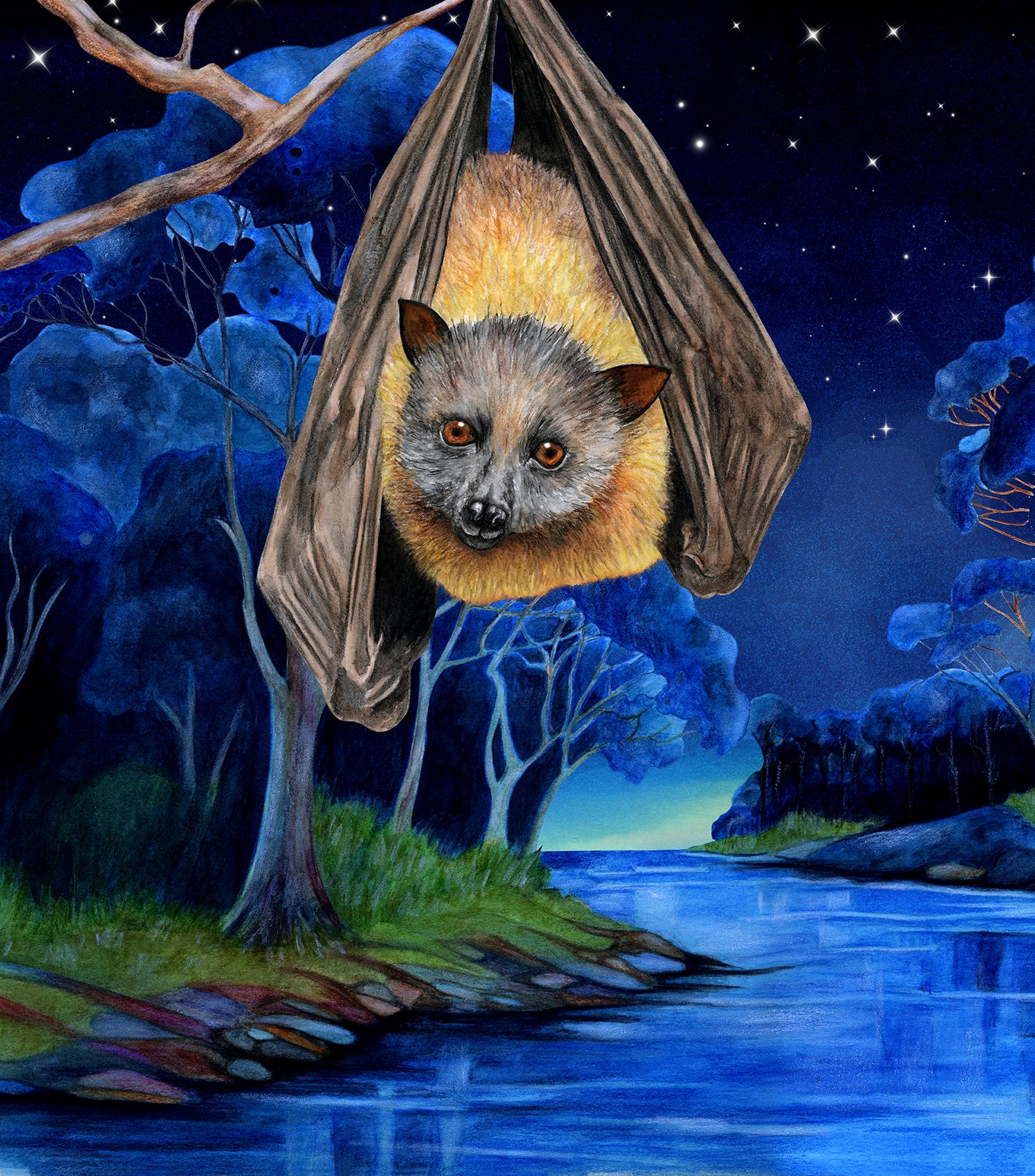

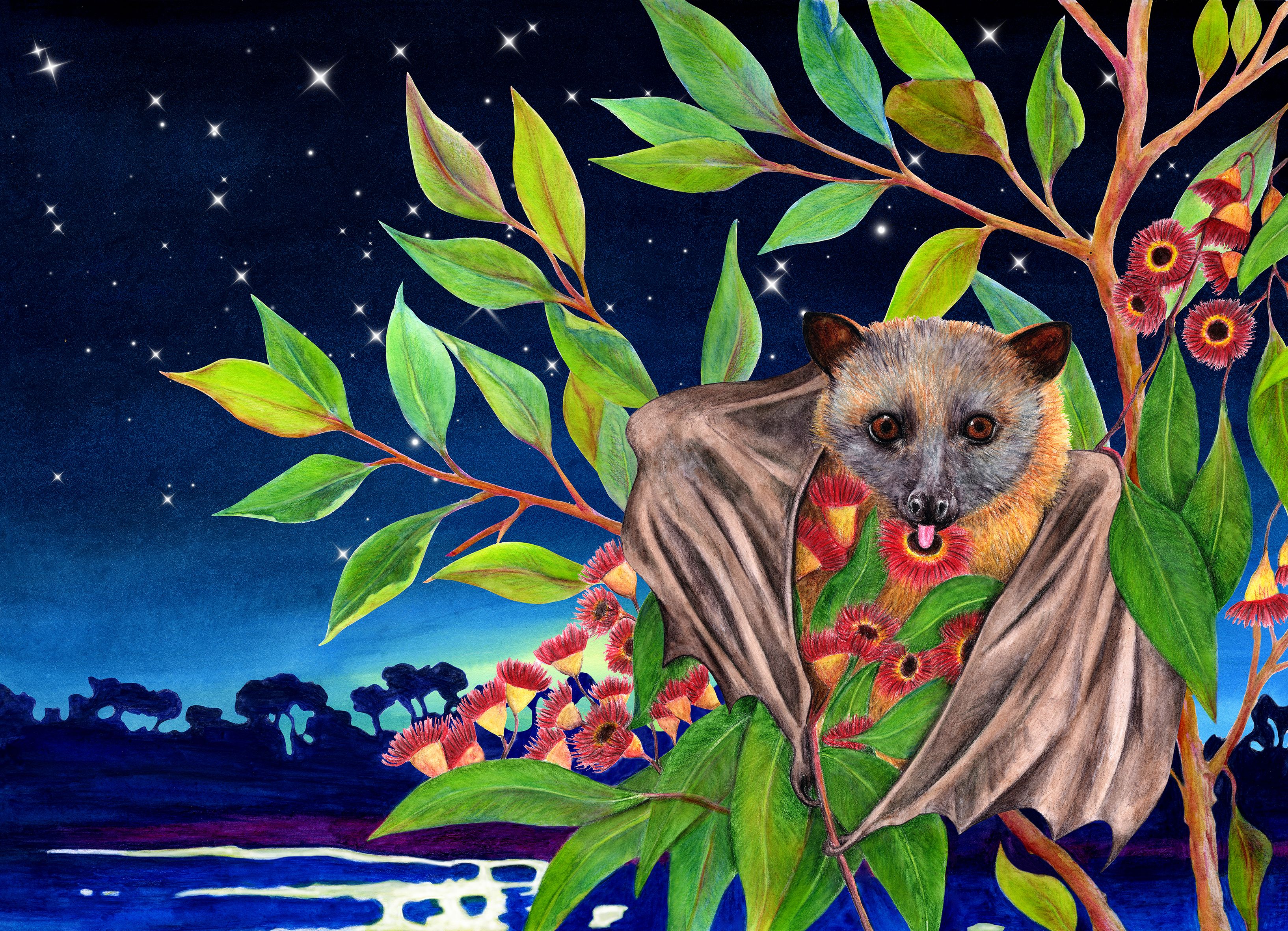
Flick is a beautifully illustrated children’s book by local artist, Deborah Ladd. The inspiration for the book has been Deb’s involvement with the Flying Fox colony at Yarra Bend Park, and the group of volunteer heroes who care for the many pups that are injured and orphaned there each year.

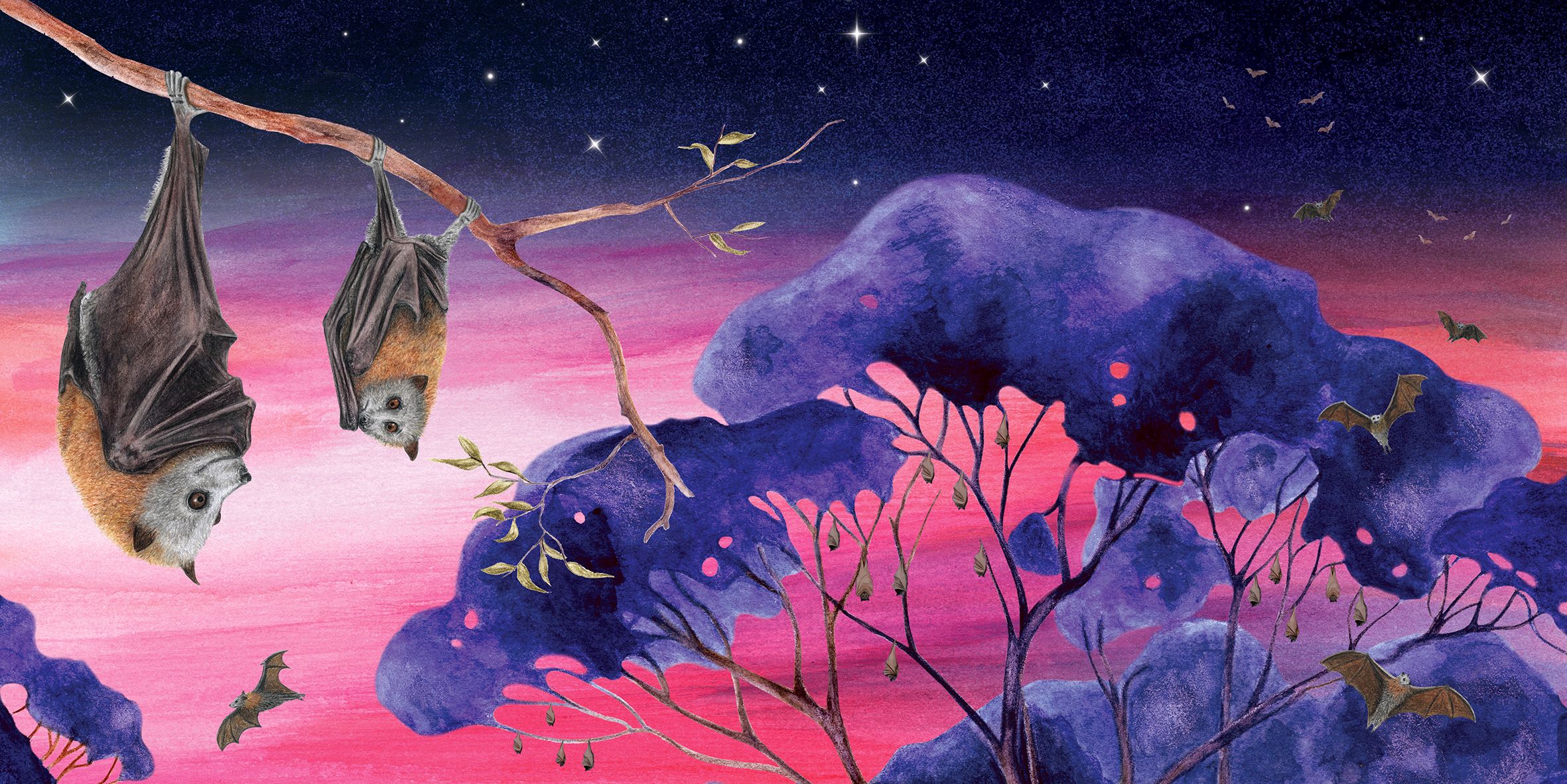
Flick combines a heartwarming story of hope and resilience with interesting facts about Melbourne’s endangered Flying Fox colony, the critical role they play in the ecosystem, and the dangers they face from increasing urbanisation and climate change.

Down by the Birrarung, not far from Naarm,
Just 'round the bend from Collingwood Farm,
There's an upside-down family as big as they come,
And it's there that we meet little Flick and her Mum...

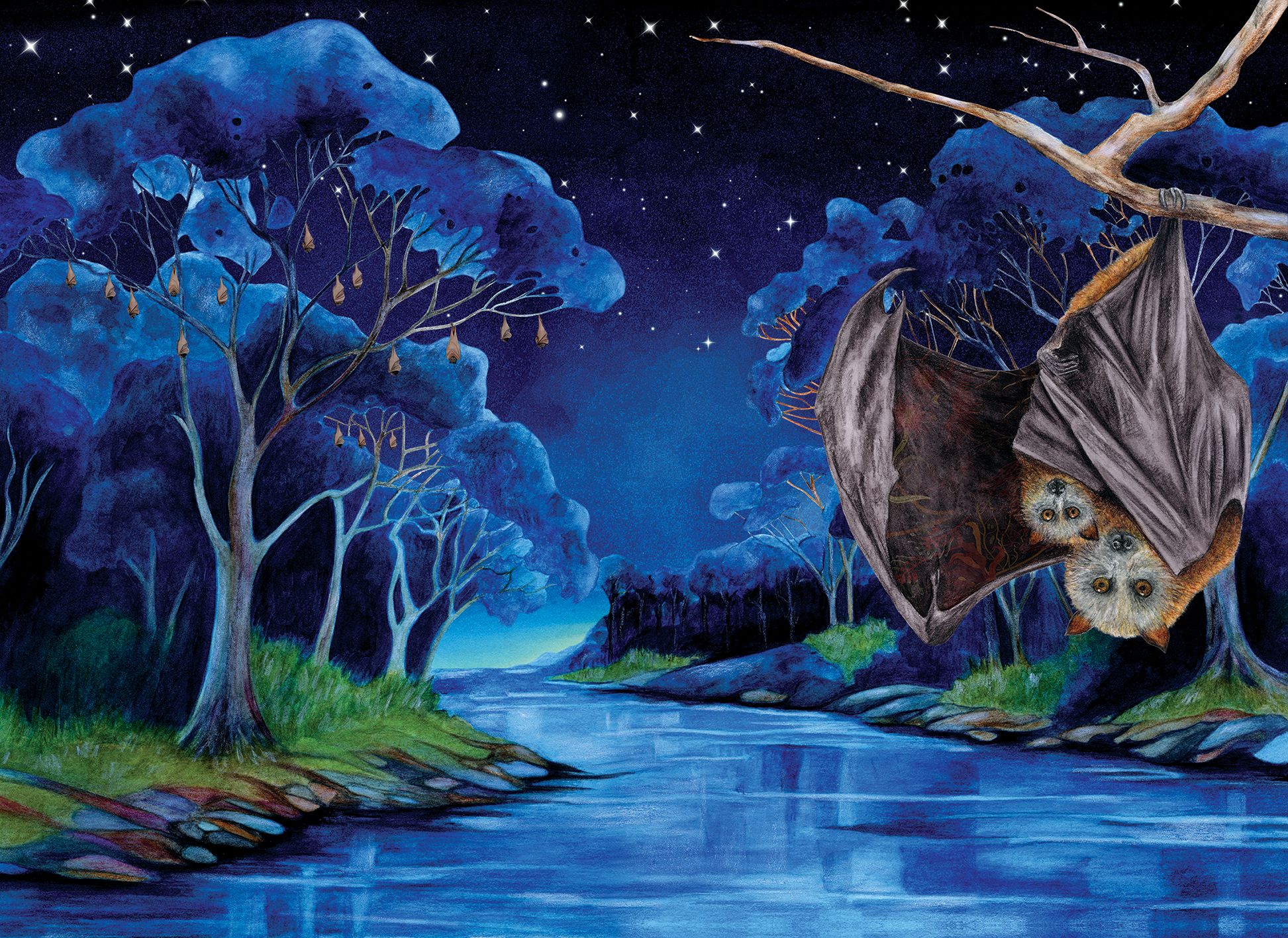
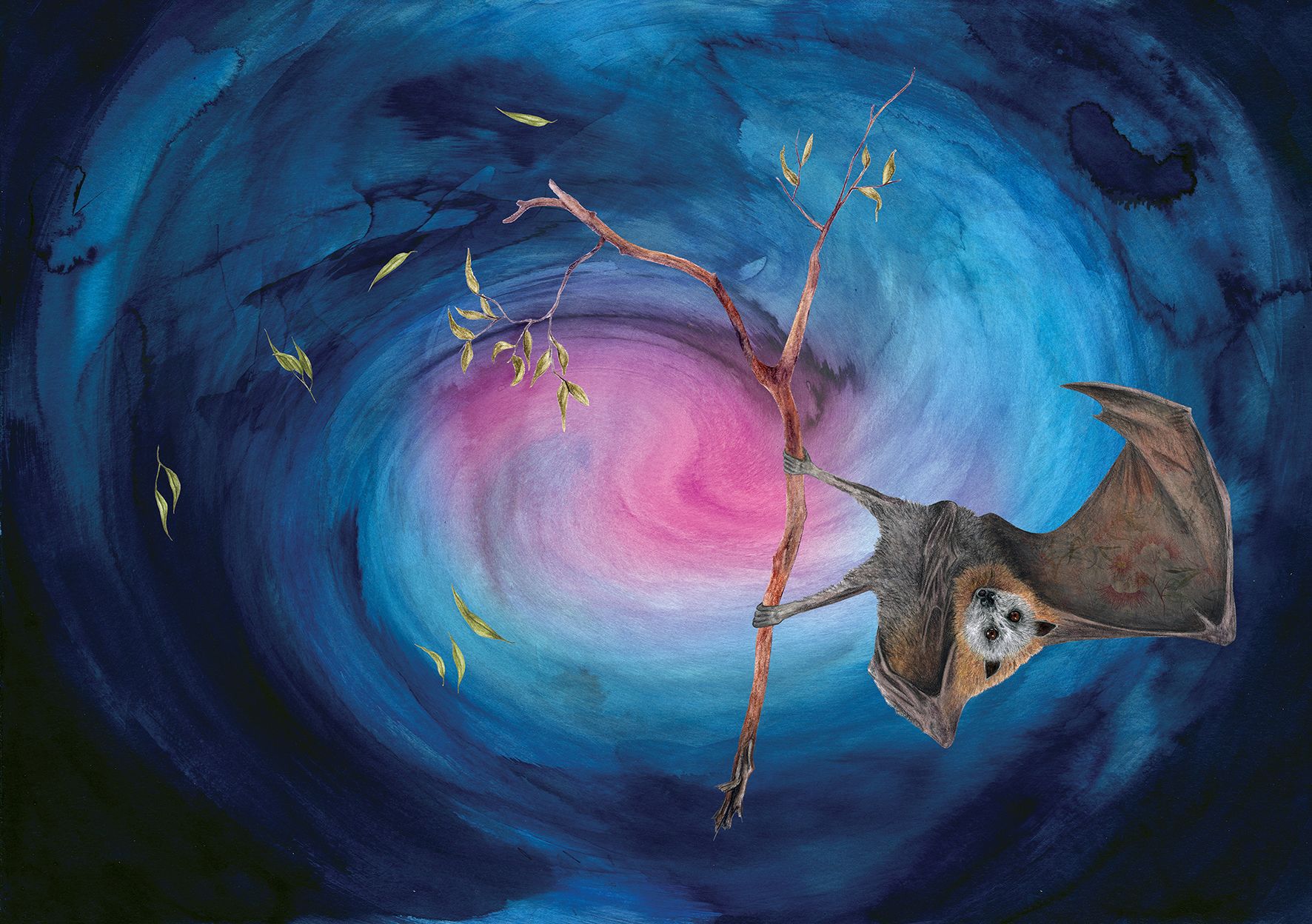
‘Flick the Flying Fox - A little bat’s journey home’ is a children's story about Flick, a flying fox pup who finds herself lost during a fierce storm at Yarra Bend. As she navigates unfamiliar surroundings, Flick embarks on an adventure of survival and friendship. With the help of kind humans and fellow flying fox pups, she learns valuable lessons about bravery and resilience. As Flick grows stronger, she learns to fly, explore the world, and eventually reunites with her mother in a joyful moment of triumph.

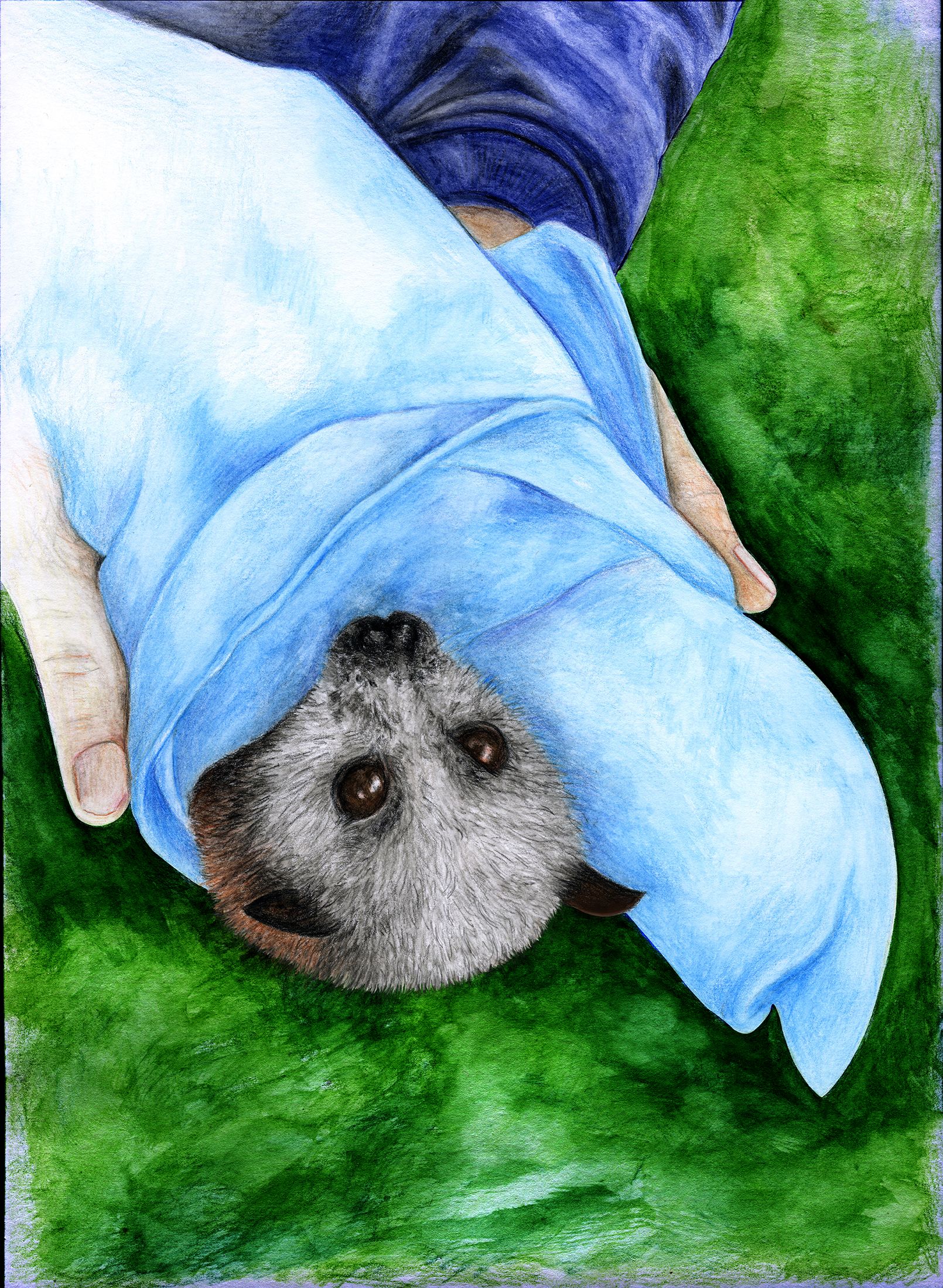
NOW AVAILABLE
CLICK HERE to purchase your copy of Flick the Flying Fox
For more information email: deborahladd@localutopia.com.au
About Flying Foxes
What do Flying Foxes eat?
Flying Foxes have a very sweet tooth! They eat nectar, pollen and fruit. The trees feed them and they help the trees reproduce! They pollinate over 100 species of native trees and plants across vast areas. The young pups are fed milk by their mothers.
Are they endangered?
Yes, they are. Unfortunately climate change, and the destruction of their habitats to build our growing cities, is having a very bad effect on their numbers. Heat waves, fires, and excess rain all impact their food supply causing starvation.
Why do they hang upside-down?
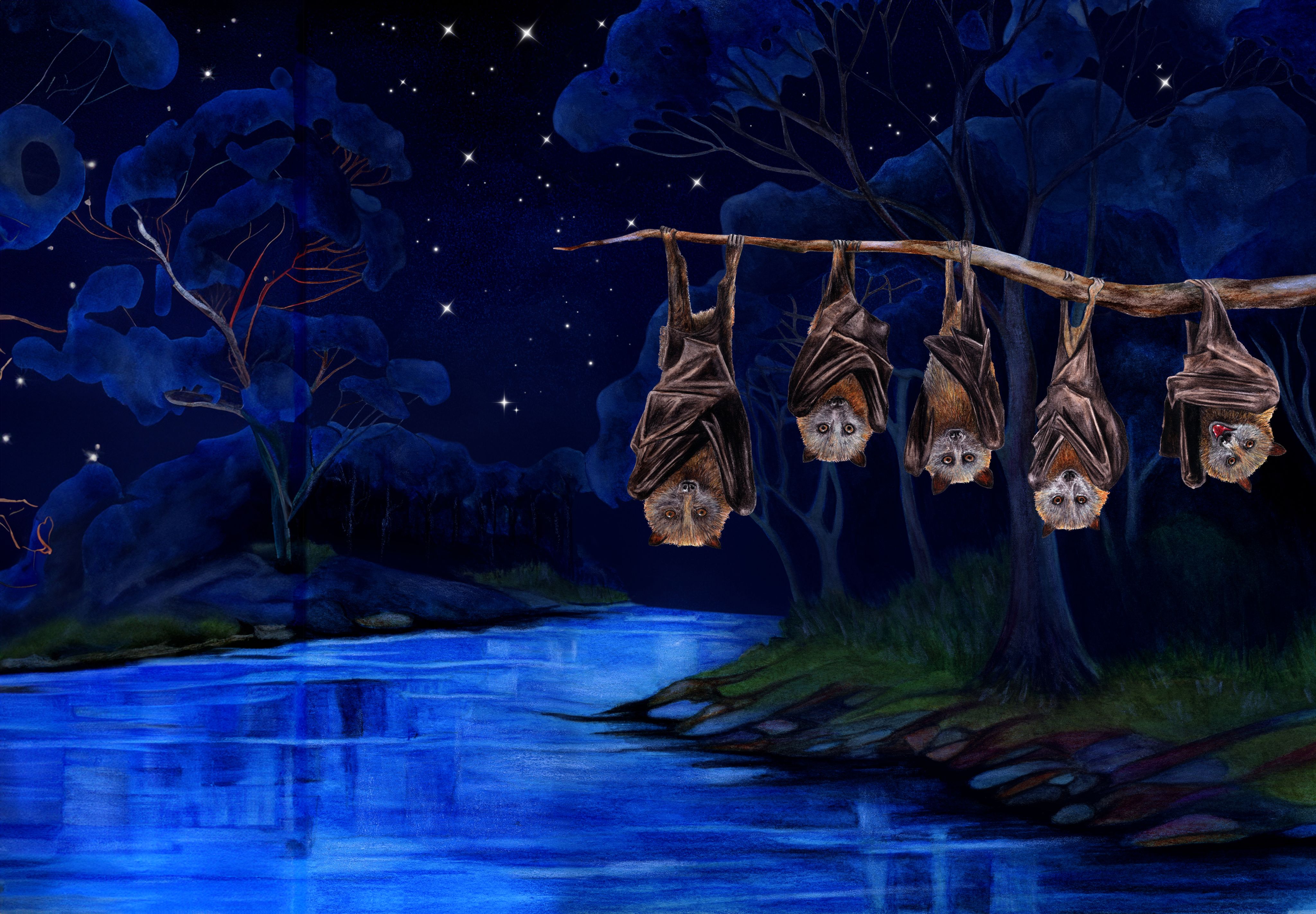
Flying Foxes hang upside down because that's the most energy efficient way to roost on a branch. Their claws are like hooks, and they lock onto the branches so tight that they sway in the wind and don't even let go when they're asleep!
Where do they fly at night?
Flying Foxes that are old enough to fly go out looking for food. Like us, they return to their favourite breakfast spot and once that tree stops flowering or fruiting they go elsewhere. They can smell the nectar of a large flowering eucalyptus from hundreds of kilometres away and will depart in large numbers to feast on their sugary blossoms.
How many Flying Foxes are there in a colony?
There can be up to 50,000 Flying Foxes in a colony. In the past, colonies were much bigger, maybe up to half a million Flying Foxes in each!
How long have they been in Australia?
They've been here a lot longer than us! Australian Flying Foxes are a ‘deep indigenous’ species (pre-dating humans) and they've been building Australian forest and landscapes for at least three million years.
How can we help the Flying Foxes?
Flying Foxes love it when you share your backyard fruit trees with them. If you want them to leave some for you, place some mesh washing bags over the fruit you can reach, and leave the high fruit for the them. If you want to net your fruit trees, you must use safe netting, which is white with holes 5mm x 5mm or smaller.
Defend local forest and bush – Care for Country!

Friends of Bats & Bushcare
Vision
An Australia whose ancient indigenous species, and their role in building and maintaining a healthy environment, is better understood and far better appreciated.
Goal
To advance the conservation of flying foxes and other bat species and to help maintain the sustainability of their colony sites. To assist in the care of Melbourne’s bush and native floral diversity.
To become a Volunteer
CLICK HERE to register/sign in with ParkConnect
FOBB group leader
Megan Davidson
Mobile: 0419 805 062
Email: megandavidson883@gmail.com

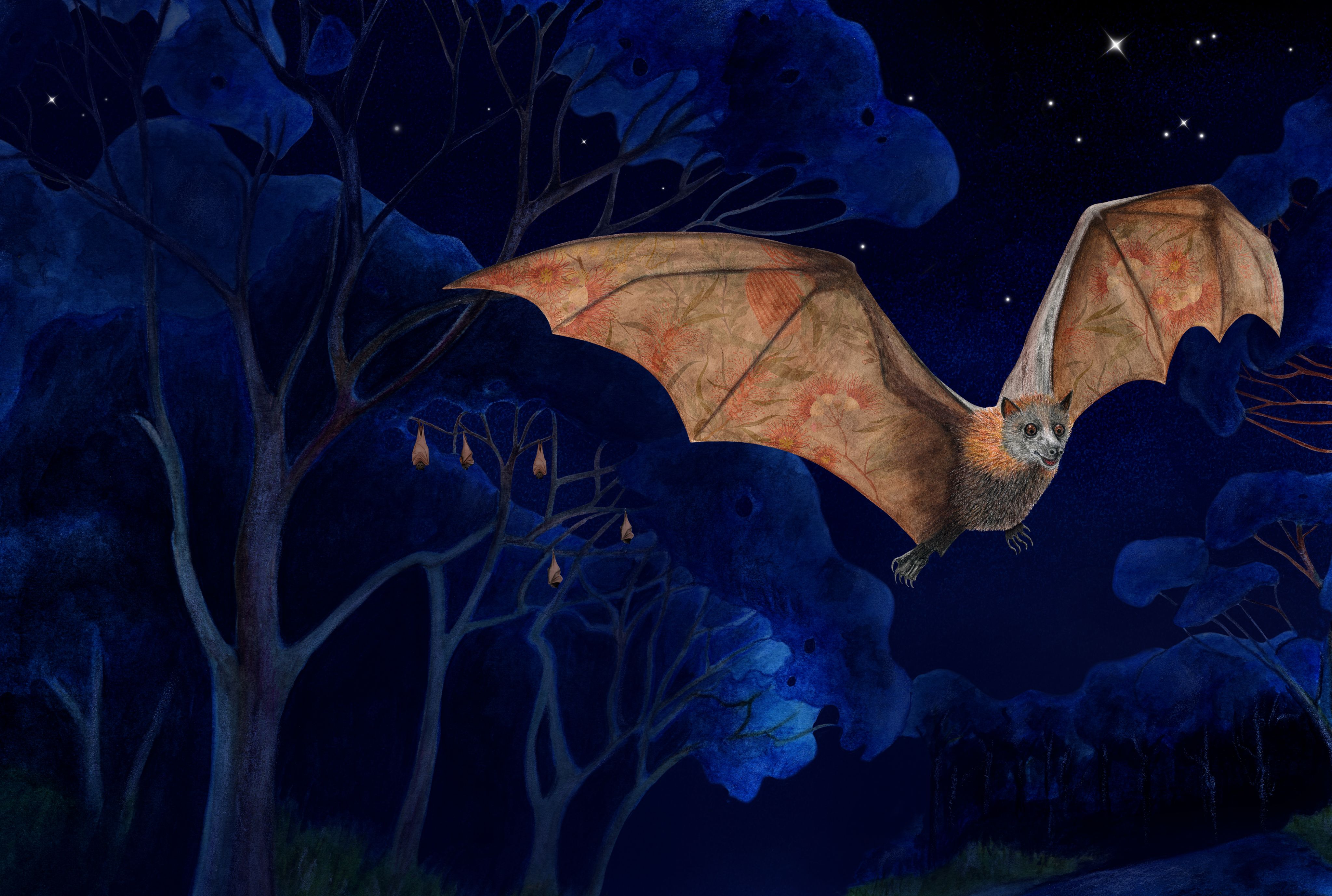
Always call local state wildlife rescue for bats found on the ground or in need of assistance.
Wildlife Victoria:
8400 7300
Fly By Night Bat Rescue:
0409 530 541
The Golden Rule with Wildlife is
No Touch = No Risk!
Flying Foxes are protected by law – disturbing or harming them is an offence.

A heartfelt thank you to all who contributed their efforts and wisdom. Your support has been essential in helping to shape this project.
Deborah Ladd © 2025.
All rights reserved.



 Built with Shorthand